Waterloo Region Real Estate & Living

Guiding You Home, Every Step of the Way

Welcome to the Magnolia Group Realty blog, where Waterloo Region real estate meets real life at home.

Whether you're thinking about buying, preparing to sell, trying to understand what the latest market numbers actually mean, or simply looking for ways to take better care of the home you already love, you'll find practical advice here without all the unnecessary real estate jargon.

Explore local Waterloo Region market updates, home buying and selling guidance, neighbourhood and community stories, and straightforward homeowner advice designed to help you make smarter decisions about your home.

You'll also find Homeowner Tips for tackling those little jobs that come with owning a home, Grime & Shine for cleaning tricks, recipes and solutions worth keeping, and Magnolia Living, our guide to events, local favourites and things worth discovering throughout Waterloo Region and beyond.

Because home isn't only about what it's worth or when you bought it. It's where you live your life, make your messes, fix the things that mysteriously stopped working, invite people over and occasionally Google “is my furnace supposed to make that noise?”

Come for the real estate. Stay for everything that makes a house feel like home.

RSS

2024 Fall Market Outlook.

The initial Bank of Canada rate cuts this past summer did not spur housing activity as anticipated, but with an additional cut early September and potentially more on the way, they will continue to affect the housing market outlook.

New listing levels are expected to rise as sellers who may have held back enter the market with the hope that lower mortgage rates will attract additional buyers.

While the current Bank of Canada rate of 4.25% may still not be enough to make a dent in home affordability, it does provide a glimmer of hope for potential buyers as interest rates continue to fall.

In addition, while home prices have cooled a bit, home prices in Canada remain among the highest in the world’s most advanced economies (Japan, France, Germany, Italy, and the UK). These still -high prices have resulted in many potential first-time home buyers to withdraw for now. Higher property taxes, higher qualifying stress-test rates, and the current wave of mortgage renewals will also factor into how successful the Fall market will be. 

In 2023 alone, the country saw an influx of 46% of new Canadians, which also contributes to housing demands and pricing. As rates continue to drop, the hope is that prices will stabilize owing to increased supply as demand rises. 

If you are looking to get into the housing market as a buyer or seller, or simply have questions so you can best prepare yourself for a future move, don’t hesitate to reach out to me today!

Read

Smart Ways to Cut Your Energy Costs.

In the last decade, climate change and energy efficiency have become top of mind for many Canadians. From wanting to do our part by recycling to making our home as energy efficient as possible, there are so many benefits to being environmentally and energy conscious.

If you are looking to cut costs or simply want to reduce your eco-footprint, here are some great ways to cut your energy costs:

  • Get a Smart Thermostat: A pretty easy installation, a smart thermostat can help you better manage your in-home temperature. Whether you opt to install a basic programmable thermostat or try Google’s Nest, which learns from you and works to predict which temperatures you prefer and when, getting a read on your in-home temperature can help you better manage your energy usage.

  • Look for Drafty Spots: When it comes to heating your home, it can quickly become a wasted effort and results in extra costs if you have drafts in your home. In addition to windows and doors, you should also seal any folding attic stairs, add a fireplace plug to seal the damper and install a dryer vent seal to reduce drafts in your laundry room.

  • Swap to LEDs: Most of us are already using LED bulbs throughout our home. If you aren’t yet, now is the time to make the switch! LED bulbs use 15% less energy than an equivalent incandescent, which can save you a ton of money each month especially in larger homes.

  • Turn Down Your Water Heater: While sometimes nothing beats a good scalding shower, you don’t want to be burned with a high energy bill. Did you know if you knock down that temperature gauge by just 10 degrees, you can save 3% to 5% on your bills each month!?

  • Examine Your Appliances: Since 1992, ENERGY STAR® has been backing energy efficient appliances and products, helping consumers make the right choices. Some of the least green appliances in your home are your dishwasher, washing machine, dryer and refrigerator and, if you don’t currently have Energy Star certified versions of these machines, swapping to them is a surefire way to reduce your monthly expenses.

  • Can’t afford new appliances? Here are some other tips and tricks to help make them more efficient in the meantime:

    • Dishwasher: Use a citric acid-based cleaner in an empty cycle to rid your dishwasher of excess soap and calcium buildup that may be causing your machine to work harder.

      Washing Machine: Maximize energy by stuffing your machine to the brim whenever possible as washing machines typically use the same amount of energy regardless of load size.

      Dryer: For starters, ensure you are always cleaning out your lint filter to increase air circulation. In addition, keep an eye on the outside exhaust and clean when needed to reduce drying time and save energy.

    • Refrigerator: While most of us are more concerned with the food inside our fridges than the parts, it is important to check your condenser coils. Over time, dirt, food particles and dust can collect and reduce the efficiency. Another tip is to set your refrigerator to 2-3 degrees Celsius.

  • Close The Blinds: When the temperature starts heating up, it is important to close the blinds and drapes to prevent the sun from beating in and warming up your home. The excessive heat makes your air conditioner work overtime causing your energy bills to skyrocket.

In addition to the cost savings and environmental benefits of improving your energy efficiency, CMHC also has a rebate available! The CMHC Eco Plus refund can provide a 25% partial premium refund if you’re CMHC insured and buying or building an energy-efficient home! Click here for more details.

Read

Best Home Features for Pets.

Published by DLC Marketing Team

October 15, 2024

Creating a pet-friendly home involves considering the comfort, safety, and well-being of your furry friends. Here are some features to consider:

  • Durable Flooring: Choose scratch-resistant and easy-to-clean flooring like hardwood, laminate, or more durable tile options. Avoid carpets if possible, or choose pet-friendly carpeting that’s stain-resistant.

  • Pet-Friendly Fabrics: Choose furniture and upholstery made from pet-friendly fabrics like leather or microfiber that are durable and easy to clean. This helps in case of accidents or shedding.

  • Pet-Safe Plants: Select indoor plants that are non-toxic to pets, such as spider plants, Boston ferns, or palms. Keep toxic plants out of reach or opt for artificial plants.

  • Designated Pet Areas: Create designated spaces for your pets, such as a cozy corner with a bed or a built-in nook under the stairs. This gives them a sense of security and their own space.

  • Easy Access to Outdoors: Install a pet door or create a pet-friendly exit to the yard, allowing your pets to go outside and play freely.

  • Secure Fencing: Ensure your yard has a secure fence to prevent your pets from wandering off and to keep them safe from potential dangers.

  • Built-in Feeding Stations: Incorporate built-in feeding stations or cabinets to store pet food and supplies, keeping them organized and out of reach from curious pets.

  • Wash Station or Mudroom: Include a designated area near the entrance for cleaning muddy paws or bathing your pets, with easy-to-clean surfaces and storage for grooming supplies.

  • Integrated Pet Technology: Consider installing smart pet feeders, water fountains, or cameras to monitor your pets remotely and ensure they are comfortable and well-fed when you’re away.

By incorporating these features into your home design, you can create a safe, comfortable, and enjoyable environment for both you and your pets.

Read

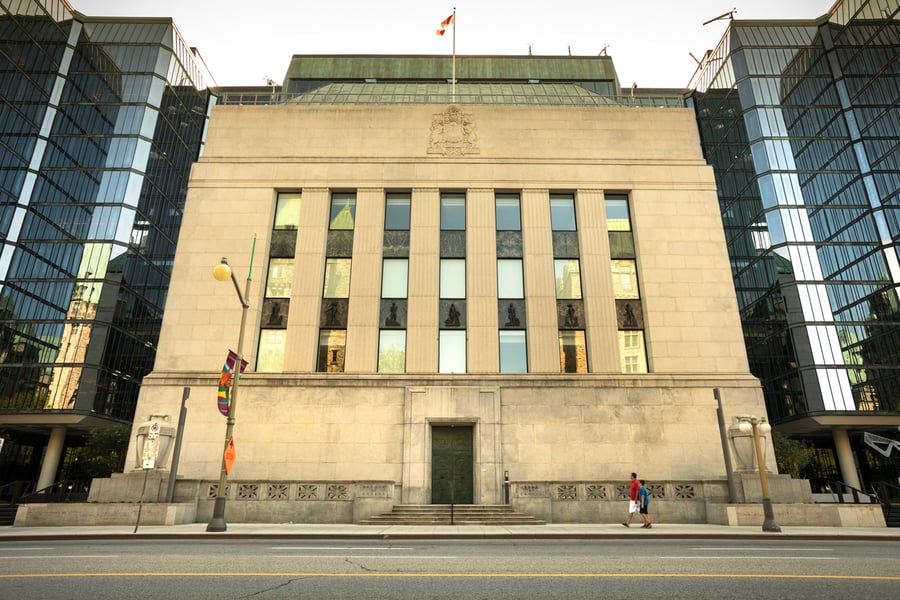
Bank of Canada makes biggest rate cut since beginning of pandemic

Central bank announces jumbo cut

Bank of Canada makes biggest rate cut since beginning of pandemic

By Fergal McAlinden

23 Oct. 2024

The Bank of Canada has slashed its benchmark rate by 50 basis points, announcing the oversized cut amid continuing signs of a sluggish economy and plunging inflation.

The central bank revealed on Wednesday morning that it had cut its trendsetting interest rate to 3.75%, its fourth rate reduction in a row and the biggest single cut since the beginning of the COVID-19 pandemic more than four years ago.

Expectations of a larger-than-usual cut surged after overall inflation dipped below the Bank’s 2% target in September and stronger-than-expected jobs figures for the month failed to quell fears of a further economic slowdown.

The Bank’s last 50-basis-point cut took place in March 2020, when it trimmed rates to a rock-bottom 0.25% as the economy ground to a halt in the face of a looming pandemic.

Inflation has posted a big drop since hitting a four-decade high of 8.1% in June 2022, coming in at 1.6% last month (although Dominion Lending Centres chief economist Sherry Cooper told Canadian Mortgage Professional that was skewed somewhat by a dramatic drop in gasoline prices).

The economy probably only saw marginal growth in the third quarter, according to Cooper – and with unemployment also expected to tick higher in the months ahead, she signalled that today’s 50-basis-point cut was “the right thing to do.”

After announcing a salvo of rate cuts in 2022 and 2023 to tamp down inflation, the central bank has pulled the trigger on three consecutive 25-basis-point drops in June, July, and September before today’s move.

That’s provided welcome relief for scores of homeowners who’d seen borrowing costs spike during the Bank’s series of hikes – and also improved the outlook for hopeful homebuyers.

The Bank is scheduled to make its final interest rate decision of the year on December 6, with market watchers expecting cuts to continue in the coming months – and it indicated its view that the policy rate needs to fall further if the economy continues to evolve as currently forecast.

Make sure to get all the latest news to your inbox on Canada’s mortgage and housing markets by signing up for our free daily newsletter here.

Read

Now's the time to jump into the housing market, says top broker

Narrow window of affordability set to close in mid-2025

Now's the time to jump into the housing market, says top broker

By Fergal McAlinden

15 Oct. 2024

The Bank of Canada is in the midst of an interest-rate cutting cycle, and plenty of would-be homebuyers are staying on the fence in anticipation of even lower rates down the line. But many of those waiting are missing a big opportunity, according to a top Ontario broker, to snag low-rate options already on offer.

Nick L’Ecuyer (pictured), principal broker and founder at the Barrie-based Mortgage Wellness, told Canadian Mortgage Professional that hype around central bank rate cuts had drawn attention away from diving bond yields in recent months that have seen fixed mortgage rates plunge.

That’s allowed first-time homebuyers on insured mortgages to take advantage of five-year fixed rates as low as 3.94% in October, a big slice off best prime rates that – with a generous discount – might hover around the 5.7% mark.

Furor around the Bank of Canada’s rate-cutting timeline and a flurry of recent mortgage qualification rule adjustments by the federal government are seeing many borrowers look ahead to what they might be able to afford in future, according to L’Ecuyer, rather than focusing on what’s available now. “All of these people that are sitting on the sidelines saying, ‘I’ve got to wait for rates to come down’ – I mean, they’re already here,” he said.

“People just don’t know it, because they’re so blinded by the Bank of Canada rate decisions and all the talk about when rates are going to come down, and how is the economy, and the government’s aid, and these impending mortgage renewals. That’s all the focus.”

New mortgage measures set to boost housing market demand

Another reason now is a good time to get into the market, L’Ecuyer believes: activity is likely to ramp up in 2025, sparked by lower prime rates and the government’s recent measures on mortgage amortizations and the insured mortgage cap.

The moves were billed by the government as an effort to make homeownership accessible to more Canadians, especially those buying for the first time, and help ease some of the affordability woes facing those who’ve been priced out of the market to date.

That means those who can currently afford to buy now would be best advised to push ahead with a move, he said. “There’s a whole ton of very smart people who are capturing all these great opportunities in the market that are brought to us by stagnant sales, lower prices, tons of inventory, and great fixed interest rates,” he explained.

“I wonder how long it’s going to be until people start to realize that there’s opportunity: ‘Hey, I don’t have to go into multiple offers. I can get a condition on financing, a condition for a home inspection, and a great interest rate.’”

When will Canada’s housing market begin to gather pace again?

Two recently announced mortgage rule changes by the federal government – expanded access to 30-year amortizations and a hike in the insured mortgage cap to $1.5 million – are set to come into effect on December 15.

The time between that date and the summer of 2025, L’Ecuyer said, represents the likely window buyers will have to lock in the most affordable mortgage possible before housing market activity, and home prices, start to ramp up.

The ability of first-time homebuyers to tap into 30-year amortizations could materially improve affordability for scores of new buyers, especially outside Canada’s priciest urban markets.

In Barrie, L’Ecuyer said, buying a $600,000 townhouse last year in Barrie on a 25-year amortization and high interest rates would see a monthly mortgage payment of almost $4,000 a month – significantly above the average rent on those properties of around $2,600.

Now, with a 3.94% five-year fixed rate and 30-year amortization, the monthly payment would plunge to $2,900. “If you say to me that I can own it for $2,900 or rent it for $2,600, I’m going to own it, pay it down, it’ll appreciate,’” he said. “That’s when things are going to start to warm up: when people realize that affordability is back.”

Read

How Exactly Do Current Interest Rates Stack Up?

Over the past 25 years, interest rates in Ontario have fluctuated significantly, influenced by economic cycles, inflation control measures, and global events. For an overview:

- Fixed Mortgage Rates: Historically, fixed mortgage rates have generally ranged from around 3.0% to 7.0% depending on the time period and term length. For example, in the early 2000s, 5-year fixed mortgage rates were above 7%, but by the 2010s, they had decreased significantly, reaching as low as 3.28% in 2021. As of 2024, fixed rates are currently averaging around 4.74% from major lenders.

- Variable Mortgage Rates: Variable rates have generally been lower than fixed rates during periods of economic stability but tend to fluctuate more with changes in the Bank of Canada’s policy rates. Over the last 25 years, these rates have ranged from approximately 2% to over 6%. Currently, variable rates are averaging around 6.02%, having risen significantly due to recent interest rate hikes by the Bank of Canada.

The long-term trend shows that fixed rates tend to offer stability, especially during periods of economic volatility, whereas variable rates can be more attractive in lower interest rate environments but are riskier during rate hikes.

If you're trying to predict future rates, the consensus suggests a potential decrease in 2024 as inflation cools and the Bank of Canada aims to stabilize the market. However, for now, fixed rates remain more attractive than variable rates.


Read

5 Tips to Manage Financial Stress

5 Tips to Manage Financial Stress


Despite the Bank of Canada taking steps to reduce interest rates, many Canadians still feel pressure due to the overall cost of living and inflation. This uncertainty can be unnerving for many individuals, but don’t fret! 

I have some tips and suggestions to help you manage your financial stress and help you to power through these latest economic changes:

  1. Prioritize What You Can Control: It can be easy to feel like you have no control over your financial situation, especially with the economy in flux. However, dwelling on things you cannot fix will only cause more stress. Instead, we recommend focusing on what you CAN control within your situation. For instance, take a looking at your phone bill and services to see if you can reduce the cost (even temporarily), reviewing your grocery bill and looking for places to switch to cheaper brands or alternatives, perhaps buying in bulk. You’ll not only save money, but you will feel like you have more control and help reduce stress.
     

  2. Pay Essential Bills: If you are struggling to pay your monthly bills, prioritizing them can help you gain some control. Knowing which bills are most important to pay first can help reduce anxiety as you're not scrambling to decide what to do. In some cases, prioritizing your bills can also help you uncover unnecessary spending and you may find something that can be eliminated entirely (even temporarily).
     

  3. Automate Payments and Savings: If you’re struggling to keep up with your bills and payments, or are finding that you keep saying you’ll save money, but aren’t, considering automation for your finances can be a step in the right direction. Ensuring that your bills are paid on time will help reduce stress and protect you from wasting money on penalties for missed payments. Alternatively, you can also set up automatic money transfers on the days you are paid to move funds into a separate, savings account before you even see it. Thereby, reducing the likelihood that you’ll skip adding to your savings that month or use that money elsewhere.
     

  4. Find Ways to Earn More Money: When cashflow is a problem and you are feeling the strain of trying to afford your current lifestyle, looking for ways to earn additional money can be a lifesaver! Consider part-time work for the weekends, consulting in your area of expertise or picking up extra hours at your current place of work. Now is also a great time to discuss with your manager if you are due for a raise.
     

  5. Talk to Your Mortgage Professional: For most people, their mortgage is their largest monthly bill. If you are feeling the financial crunch, now is a great time to talk to meabout potentially changing your payment schedule or even looking for a different mortgage product with better rates (ideally if you are at the end of your term). Do not hesitate to be honest about your situation and ask what your options are.
     

Regardless of where you find yourself financially, there are often many solutions to help reduce and resolve your stress and ensure that you have healthy monthly cashflow. 

Read

Government announces boldest mortgage reforms in decades to unlock homeownership for more Canadians

From: Department of Finance Canada

News release

September 16, 2024 - Ottawa, Ontario - Department of Finance Canada

Canadians work hard to be able to afford a home. However, the high cost of mortgage payments is a barrier to homeownership, especially for Millennials and Gen Z. To help more Canadians, particularly younger generations, buy a first home, new mortgage rules came into effect on August 1, 2024, allowing 30 year insured mortgage amortizations for first-time homebuyers purchasing new builds.

The Honourable Chrystia Freeland, Deputy Prime Minister and Minister of Finance, today announced a suite of reforms to mortgage rules to make mortgages more affordable for Canadians and put homeownership within reach:

  • Increasing the $1 million price cap for insured mortgages to $1.5 million, effective December 15, 2024, to reflect current housing market realities and help more Canadians qualify for a mortgage with a downpayment below 20 per cent. Increasing the insured-mortgage cap—which has not been adjusted since 2012—to $1.5 million will help more Canadians buy a home.

  • Expanding eligibility for 30 year mortgage amortizations to all first-time homebuyers and to all buyers of new builds, effective December 15, 2024, to reduce the cost of monthly mortgage payments and help more Canadians buy a home. By helping Canadians buy new builds, including condos, the government is announcing yet another measure to incentivize more new housing construction and tackle the housing shortage. This builds on the Budget 2024 commitment, which came into effect on August 1, 2024, permitting 30 year mortgage amortizations for first-time homebuyers purchasing new builds, including condos.

These new measures build on the strengthened Canadian Mortgage Charter¸ announced in Budget 2024, which allows all insured mortgage holders to switch lenders at renewal without being subject to another mortgage stress test. Not having to requalify when renewing with a different lender increases mortgage competition and enables more Canadians, with insured mortgages, to switch to the best, cheapest deal.

These measures are the most significant mortgage reforms in decades and part of the federal government’s plan to build nearly 4 million new homes—the most ambitious housing plan in Canadian history—to help more Canadians become homeowners. The government will bring forward regulatory amendments to implement these proposals, with further details to be announced in the coming weeks.

As the federal government works to make mortgages more affordable so more Canadians can become homeowners, it is also taking bold action to protect the rights of home buyers and renters. Today, as announced in Budget 2024, the government released the blueprints for a Renters’ Bill of Rights and a Home Buyers’ Bill of Rights. These new blueprints will protect renters from unfair practices, make leases simpler, and increase price transparency; and help make the process of buying a home, fairer, more open, and more transparent. The government is working with provinces and territories to implement these blueprints by leveraging the $5 billion in funding available to provinces and territories through the new Canada Housing Infrastructure Fund. As part of these negotiations, the federal government is calling on provinces and territories to implement measures such as protecting Canadians from renovictions and blind bidding, standardizing lease agreements, making sales price history available on title searches, and much more—to make the housing market fairer across the country.

Quotes

“We have taken bold action to help more Canadians afford a downpayment, including with the Tax-Free First Home Savings Account, through which more than 750,000 Canadians have already started saving. Building on our action to help you afford a downpayment, we are now making the boldest mortgages reforms in decades to unlock homeownership for younger Canadians. We are increasing the insured mortgage cap to reflect home prices in more expensive cities, allowing homebuyers more time to pay off their mortgage, and helping homeowners switch lenders to find the lowest interest rate at renewal.”

- The Honourable Chrystia Freeland, Deputy Prime Minister and Minister of Finance

“Everyone deserves a safe and affordable place to call home, and these mortgage measures will go a long way in helping Canadians looking to buy their first home.”

- The Honourable Sean Fraser, Minister of Housing, Infrastructure and Communities 

Quick facts

  • The strengthened Canadian Mortgage Charter, announced in Budget 2024, sets out the expectations of financial institutions to ensure Canadians in mortgage hardship have access to tailored relief and to make it easier to buy a first home.

  • Mortgage loan insurance allows Canadians to get a mortgage for up to 95 per cent of the purchase price of a home, and helps ensure they get a reasonable interest rate, even with a smaller down payment.

  • The federal government’s housing plan—the most ambitious in Canadian history—will unlock nearly 4 million more homes to make housing more affordable for Canadians. To help more Canadians afford a downpayment, in recognition of the fact the size of a downpayment and the amount of time needed to save up for a downpayment are too large today, the federal government has:

    • Launched the Tax-Free First Home Savings Account, which allows Canadians to contribute up to $8,000 per year, and up to a lifetime limit of $40,000, towards their first downpayment. Tax-free in; tax-free out; and,

    • Enhanced the Home Buyers’ Plan limit from $35,000 to $60,000, in Budget 2024, to enable first-time homebuyers to use the tax benefits of Registered Retirement Savings Plan (RRSP) contributions to save up to $25,000 more for their downpayment. The Home Buyers’ Plan enables Canadians to withdraw from their RRSP to buy or build a home and can be combined with savings through the Tax-Free First Home Savings Account.

Read

September Events in Waterloo Region and Wellington County

As summer gives way to the crisp days of fall, September brings a host of exciting events to the Waterloo Region and Wellington County. Whether you’re a long-time local or new to the area, there’s no shortage of things to do this month! From festivals and markets to outdoor adventures, here are some of the top events to enjoy this September.

1. Kitchener-Waterloo Oktoberfest: September 27 – October 12

It’s that time of year again—Oktoberfest is just around the corner! Known as Canada's largest Bavarian festival, Kitchener-Waterloo Oktoberfest is a celebration you don’t want to miss. From traditional German food and music to exciting parades and cultural events, there’s something for everyone. Make sure to grab your tickets early for the festhallen, and join in the fun!

2. Cambridge Fall Fair: September 7 – 10

A long-standing tradition, the Cambridge Fall Fair is packed with family-friendly activities. Enjoy carnival rides, agricultural exhibits, a petting zoo, live entertainment, and more. It’s the perfect way to celebrate the end of summer and welcome the autumn season with your family and friends.

3. Guelph Jazz Festival: September 12 – 15

Music lovers won’t want to miss the Guelph Jazz Festival. Celebrating its 30th year, this event features world-class performances from local and international jazz artists. From intimate venues to larger outdoor stages, the festival offers a variety of experiences for both seasoned jazz enthusiasts and casual listeners.

4. Elora Fergus Studio Tour: Weekends, September 23 – 24 and September 30 – October 1

For art lovers, the Elora Fergus Studio Tour is a must-see event. This free, self-guided tour invites you to explore the studios of talented local artists, where you can watch them work and purchase unique pieces directly from the creators. The scenic drive between Elora and Fergus makes it the perfect way to spend a September weekend.

5. Doors Open Waterloo Region: September 16

Doors Open is a fantastic opportunity to explore some of Waterloo Region’s most historic and architecturally significant buildings. Many of these locations are not normally open to the public, making this event a rare chance to see behind the scenes. From heritage homes to innovative green buildings, it’s a great way to learn more about the area’s rich history and culture.

6. Eden Mills Writers’ Festival: September 8 – 10

Held in the charming village of Eden Mills, this renowned literary festival brings together readers and writers for a weekend of storytelling, readings, and workshops. The festival showcases some of Canada’s most celebrated authors and is a perfect outing for book lovers of all ages.

7. Stratford Garlic Festival: September 9 – 10

Just a short drive from Waterloo Region, the Stratford Garlic Festival celebrates all things garlic! From gourmet food and cooking demonstrations to garlic-themed products, it’s a unique culinary experience. Don’t miss out on the opportunity to taste, learn, and shop from local vendors showcasing this flavorful ingredient.

8. Guelph Farmers’ Market: Every Saturday

While it’s a year-round event, the Guelph Farmers’ Market is particularly special in September when local produce is at its peak. Wander through the market to pick up fresh fruits, vegetables, baked goods, and artisan products. Supporting local farmers and vendors is a great way to connect with the community while enjoying seasonal offerings.

9. Waterloo Central Railway Fall Excursions: Various Dates

Experience the beauty of fall in Waterloo Region with a scenic train ride aboard the Waterloo Central Railway. September offers various themed excursions, including the Fall Colours Train, which takes you through the picturesque landscapes of the region. It’s a fun and relaxing way to enjoy the changing seasons with family and friends.

10. Taste of Guelph: September 17

This annual fundraising event at the St. Joseph’s Health Centre is a culinary delight! Sample delicious food and drinks from some of Guelph’s best restaurants, breweries, and wineries. It’s a wonderful way to support a great cause while indulging in local flavors and meeting fellow food enthusiasts.

Final Thoughts

Whether you're looking to dive into local culture, enjoy some live music, or spend a day with family outdoors, there’s something for everyone in Waterloo Region and Wellington County this September. With so many fantastic events happening, it’s the perfect time to get out and explore everything this vibrant community has to offer.

If you’re thinking about making a move to the area, or just want to learn more about the neighbourhoods and amenities, reach out to Magnolia Group Realty. We’re here to help you find your dream home in this wonderful part of Ontario!


Read

Back to School Safety Tips from Magnolia Group Realty

Back to School Safety Tips from Magnolia Group Realty

As the back-to-school season kicks off, our community is buzzing with excitement and new routines. At Magnolia Group Realty, we’re not only here to help you find the perfect home, but we also care deeply about the safety and well-being of families in our neighbourhoods. With kids heading back to school, it's the perfect time to remind everyone about key safety practices that can help keep our community safe.

1. Watch Out for School Zones

School zones are busy areas, especially during drop-off and pick-up times. Please be mindful of reduced speed limits and keep a lookout for crossing guards and children walking or biking to school. Avoid distractions like texting or using your phone while driving through these areas—safety comes first!

2. Be Aware of Bus Stops

School buses are back on the roads, and it’s important to follow the rules when sharing the road with them. Always stop when the bus is loading or unloading children, and give extra space around bus stops. Kids may be crossing the street unexpectedly, so it’s crucial to stay alert.

3. Drive Slowly in Neighbourhoods

Our neighbourhoods are filled with children walking, biking, and playing after school. Please drive cautiously, especially in residential areas where children may not always be visible around parked cars or driveways. A little extra attention can prevent accidents and keep our streets safe.

4. Teach Kids Street Safety

For parents, now is a great time to remind your kids about street safety. Teach them to use crosswalks, wait for signals, and look both ways before crossing. For kids biking to school, helmets are a must, and they should always ride on the right side of the road, following traffic rules.

5. Backpack Safety

It’s not just about road safety—backpack safety is also important. Ensure your child’s backpack isn’t too heavy and fits properly to avoid back or shoulder strain. Distribute weight evenly with padded straps and use both shoulder straps to reduce the risk of injury.

6. After-School Safety

Whether your children go to after-school programs or come home directly, establishing safe routines is essential. If they walk home alone, make sure they have a buddy and a set route. Discuss emergency plans and ensure they know how to contact you or a trusted adult if needed.

7. Stay Visible

As days grow shorter, visibility becomes more important, especially for kids who walk or bike to school. Make sure they wear bright or reflective clothing, and if it’s dark in the mornings, consider adding reflective tape to backpacks and jackets.

8. Get Involved in Your Community

Back-to-school season is a great time to connect with your neighbours and community members. Get to know the families around you and look out for one another, whether it’s walking kids to school or volunteering at local events. Stronger communities make for safer neighbourhoods.

Stay Safe, Stay Connected!

At Magnolia Group Realty, we believe that a safe community is a happy community. By following these simple safety practices, we can all do our part to ensure that this school year starts off on the right foot. Let’s work together to keep our kids and streets safe as they head back to the classroom.

If you’re new to the area or thinking of making a move, we’re here to help! Contact Magnolia Group Realty for expert guidance on finding a home in a safe, welcoming neighbourhood.

Read

The First Week of Back to School: A Key Moment for Real Estate Decisions

The First week of back-to-school season is a time of excitement and adjustment for families. New routines, fresh starts, and, for many, thoughts about where they’ll be living long term. This period can often trigger real estate decisions as families evaluate whether their current home fits their needs or if it’s time for a change.

Here’s why the first week of school is such a pivotal time in the real estate world:

1. School District Priorities

The first week back in the classroom often shines a spotlight on the importance of being in the right school district. Families start to realize how their home’s location impacts their daily commute, access to after-school programs, and the overall educational experience. For home buyers, this is a prime time to search for homes in preferred districts. For sellers, marketing your home as part of a top-tier school district can be a significant advantage.

2. Settling into Routines

As families settle into their back-to-school routines, they may find themselves rethinking their living situation. Is the house layout working for a busy school year? Is there enough space for homework, projects, and extracurricular gear? The first week back often reveals whether a family’s current home is truly meeting their needs, prompting some to explore new housing options.

3. New Beginnings Spark Home Searches

The first week of school brings a sense of new beginnings, and for some families, this is the perfect time to start their home search. Buyers often use this time to focus on finding a home that will better serve their family’s needs for the rest of the academic year and beyond. For sellers, this is a great time to attract motivated buyers who want to settle in before the end-of-year holidays.

4. Less Competition in the Market

While the summer months are often the busiest for real estate, the first few weeks of the school year can present unique opportunities for both buyers and sellers. The rush of summer buyers may have slowed, but those still in the market are often serious about finding a home quickly. This can lead to smoother transactions and less competition for the right property.

5. Showcasing the Community

During the first week of school, neighbourhoods come alive with activity as families settle into their routines. For those selling their home, this is an ideal time to highlight the community's appeal—whether it's the proximity to schools, parks, or family-friendly amenities. Buyers are looking for homes that fit their lifestyle, and the first week of school helps them visualize what life in a new neighbourhood could look like.

Final Thoughts

The first week of back-to-school season is more than just a return to classrooms—it’s often a catalyst for real estate decisions. Whether you’re looking to buy, sell, or reassess your living situation, this time of year offers opportunities to make a move that aligns with your family’s needs.

If you’re thinking about making a change, reach out to us! We can help you find the perfect home for your family as you settle into the new school year.

Read

Bank of Canada decision reaction: Are even bigger rate cuts on the way?

Door could be open for 'more aggressive' rate cuts, says BMO's Porter

Bank of Canada decision reaction: Are even bigger rate cuts on the way?

By Fergal McAlinden

05 Sep. 2024

There were no surprises in the Bank of Canada’s decision to lower its benchmark interest rate yet again in yesterday’s announcement – but the door could be open for the central bank to be even more aggressive in cutting rates in the coming months.

That’s according to Bank of Montreal (BMO) chief economist Doug Porter (pictured), who told Canadian Mortgage Professional that a recent change in market view on the US Federal Reserve’s likely approach to rate drops had cleared the way for Canada’s central bank to continue cutting.

Fed chair Jerome Powell gave his clearest indication yet that lower rates are on the way in comments delivered at its annual retreat in Jackson Hole, Wyoming on August 23, meaning there’s little risk of a divergence between the Canadian and US central banks’ approaches. “With the Fed essentially about to move in lockstep, or close to it, it’s really made it easier for the Bank of Canada to cut rates too,” Porter said.

“That was really the last constraint on the Bank of Canada. The inflation numbers are coming in as they expected, if not even a little better. The unemployment rate is backing up. So there’s lots of justification for the Bank to cut interest rates, and it certainly seems they’re primed to do more.”

Is the Bank of Canada worried about inflation falling too far?

Yesterday’s move meant the Bank has now reduced its overnight rate by 75 basis points in three consecutive quarter-point cuts since the beginning of June – and comments delivered by Governor Tiff Macklem after the announcement, Porter said, suggested the inflation outlook could be giving decisionmakers cause to consider even bigger individual cuts looking ahead.

Macklem mentioned the risk of inflation falling too low and said the Bank cares “as much” about inflation drifting below its 2% target as about it being above that figure. With inflation currently back to normal, “and given that rates are well above normal, that gives the Bank lots of leeway to cut interest rates,” Porter said.

“There’s all kinds of talk about the Federal Reserve cutting in 50-basis-point increments, maybe not with their first cut [in September] but at some point this year. So if that were to be the case, that really opens the door for the Bank of Canada to move faster.”

What impact would an oversized cut have on the housing market?

The mortgage and real estate industries are still awaiting an uptick in housing market activity following the Bank’s first two rate cuts of the year. Homebuying remained sluggish in July, according to the Canadian Real Estate Association (CREA) – but while more aggressive cuts by the Bank wouldn’t necessarily light a fire under the housing market, they could certainly help spur a resurgence of sorts, according to Porter.

An oversized rate cut down the line, he said, “might jolt [the market] out of its slumber. The reality is the longer-term mortgage rates already reflect the expectation that the Bank will continue trimming interest rates but if they started chopping them quickly, maybe in half-point cuts or even more, that would come as a bit of a surprise to the market and would probably lead to some downward pull in the longer-term interest rates.”

While the current pace of rate drops looks set to keep a floor under the housing market, it would take a “surprisingly deep” cut by the central bank to shake the market into life, Porter argued.

After maintaining hawkish language in its approach to interest rates as it battled against stubbornly high inflation throughout 2022 and 2023, the Bank has adopted a milder tone in recent announcements.

Royal Bank of Canada (RBC) economist Claire Fan, writing yesterday morning, highlighted Macklem’s “dovish” opening statement to reporters following the rate decision and his comfort in discussing the likelihood of future rate cuts.

The stage is set, she said, for another rate drop at its next announcement, scheduled to take place in October. “Despite some pockets of sticky price growth… the tone from the BoC has clearly shifted,” Fan wrote, “to worrying about a gradually but persistently weakening [economy].”

Read