Waterloo Region Real Estate & Living

Guiding You Home, Every Step of the Way

Welcome to the Magnolia Group Realty blog, where Waterloo Region real estate meets real life at home.

Whether you're thinking about buying, preparing to sell, trying to understand what the latest market numbers actually mean, or simply looking for ways to take better care of the home you already love, you'll find practical advice here without all the unnecessary real estate jargon.

Explore local Waterloo Region market updates, home buying and selling guidance, neighbourhood and community stories, and straightforward homeowner advice designed to help you make smarter decisions about your home.

You'll also find Homeowner Tips for tackling those little jobs that come with owning a home, Grime & Shine for cleaning tricks, recipes and solutions worth keeping, and Magnolia Living, our guide to events, local favourites and things worth discovering throughout Waterloo Region and beyond.

Because home isn't only about what it's worth or when you bought it. It's where you live your life, make your messes, fix the things that mysteriously stopped working, invite people over and occasionally Google “is my furnace supposed to make that noise?”

Come for the real estate. Stay for everything that makes a house feel like home.

RSS

2024 Fall Market Outlook.

The initial Bank of Canada rate cuts this past summer did not spur housing activity as anticipated, but with an additional cut early September and potentially more on the way, they will continue to affect the housing market outlook.

New listing levels are expected to rise as sellers who may have held back enter the market with the hope that lower mortgage rates will attract additional buyers.

While the current Bank of Canada rate of 4.25% may still not be enough to make a dent in home affordability, it does provide a glimmer of hope for potential buyers as interest rates continue to fall.

In addition, while home prices have cooled a bit, home prices in Canada remain among the highest in the world’s most advanced economies (Japan, France, Germany, Italy, and the UK). These still -high prices have resulted in many potential first-time home buyers to withdraw for now. Higher property taxes, higher qualifying stress-test rates, and the current wave of mortgage renewals will also factor into how successful the Fall market will be. 

In 2023 alone, the country saw an influx of 46% of new Canadians, which also contributes to housing demands and pricing. As rates continue to drop, the hope is that prices will stabilize owing to increased supply as demand rises. 

If you are looking to get into the housing market as a buyer or seller, or simply have questions so you can best prepare yourself for a future move, don’t hesitate to reach out to me today!

Read

Smart Ways to Cut Your Energy Costs.

In the last decade, climate change and energy efficiency have become top of mind for many Canadians. From wanting to do our part by recycling to making our home as energy efficient as possible, there are so many benefits to being environmentally and energy conscious.

If you are looking to cut costs or simply want to reduce your eco-footprint, here are some great ways to cut your energy costs:

  • Get a Smart Thermostat: A pretty easy installation, a smart thermostat can help you better manage your in-home temperature. Whether you opt to install a basic programmable thermostat or try Google’s Nest, which learns from you and works to predict which temperatures you prefer and when, getting a read on your in-home temperature can help you better manage your energy usage.

  • Look for Drafty Spots: When it comes to heating your home, it can quickly become a wasted effort and results in extra costs if you have drafts in your home. In addition to windows and doors, you should also seal any folding attic stairs, add a fireplace plug to seal the damper and install a dryer vent seal to reduce drafts in your laundry room.

  • Swap to LEDs: Most of us are already using LED bulbs throughout our home. If you aren’t yet, now is the time to make the switch! LED bulbs use 15% less energy than an equivalent incandescent, which can save you a ton of money each month especially in larger homes.

  • Turn Down Your Water Heater: While sometimes nothing beats a good scalding shower, you don’t want to be burned with a high energy bill. Did you know if you knock down that temperature gauge by just 10 degrees, you can save 3% to 5% on your bills each month!?

  • Examine Your Appliances: Since 1992, ENERGY STAR® has been backing energy efficient appliances and products, helping consumers make the right choices. Some of the least green appliances in your home are your dishwasher, washing machine, dryer and refrigerator and, if you don’t currently have Energy Star certified versions of these machines, swapping to them is a surefire way to reduce your monthly expenses.

  • Can’t afford new appliances? Here are some other tips and tricks to help make them more efficient in the meantime:

    • Dishwasher: Use a citric acid-based cleaner in an empty cycle to rid your dishwasher of excess soap and calcium buildup that may be causing your machine to work harder.

      Washing Machine: Maximize energy by stuffing your machine to the brim whenever possible as washing machines typically use the same amount of energy regardless of load size.

      Dryer: For starters, ensure you are always cleaning out your lint filter to increase air circulation. In addition, keep an eye on the outside exhaust and clean when needed to reduce drying time and save energy.

    • Refrigerator: While most of us are more concerned with the food inside our fridges than the parts, it is important to check your condenser coils. Over time, dirt, food particles and dust can collect and reduce the efficiency. Another tip is to set your refrigerator to 2-3 degrees Celsius.

  • Close The Blinds: When the temperature starts heating up, it is important to close the blinds and drapes to prevent the sun from beating in and warming up your home. The excessive heat makes your air conditioner work overtime causing your energy bills to skyrocket.

In addition to the cost savings and environmental benefits of improving your energy efficiency, CMHC also has a rebate available! The CMHC Eco Plus refund can provide a 25% partial premium refund if you’re CMHC insured and buying or building an energy-efficient home! Click here for more details.

Read

Best Home Features for Pets.

Published by DLC Marketing Team

October 15, 2024

Creating a pet-friendly home involves considering the comfort, safety, and well-being of your furry friends. Here are some features to consider:

  • Durable Flooring: Choose scratch-resistant and easy-to-clean flooring like hardwood, laminate, or more durable tile options. Avoid carpets if possible, or choose pet-friendly carpeting that’s stain-resistant.

  • Pet-Friendly Fabrics: Choose furniture and upholstery made from pet-friendly fabrics like leather or microfiber that are durable and easy to clean. This helps in case of accidents or shedding.

  • Pet-Safe Plants: Select indoor plants that are non-toxic to pets, such as spider plants, Boston ferns, or palms. Keep toxic plants out of reach or opt for artificial plants.

  • Designated Pet Areas: Create designated spaces for your pets, such as a cozy corner with a bed or a built-in nook under the stairs. This gives them a sense of security and their own space.

  • Easy Access to Outdoors: Install a pet door or create a pet-friendly exit to the yard, allowing your pets to go outside and play freely.

  • Secure Fencing: Ensure your yard has a secure fence to prevent your pets from wandering off and to keep them safe from potential dangers.

  • Built-in Feeding Stations: Incorporate built-in feeding stations or cabinets to store pet food and supplies, keeping them organized and out of reach from curious pets.

  • Wash Station or Mudroom: Include a designated area near the entrance for cleaning muddy paws or bathing your pets, with easy-to-clean surfaces and storage for grooming supplies.

  • Integrated Pet Technology: Consider installing smart pet feeders, water fountains, or cameras to monitor your pets remotely and ensure they are comfortable and well-fed when you’re away.

By incorporating these features into your home design, you can create a safe, comfortable, and enjoyable environment for both you and your pets.

Read

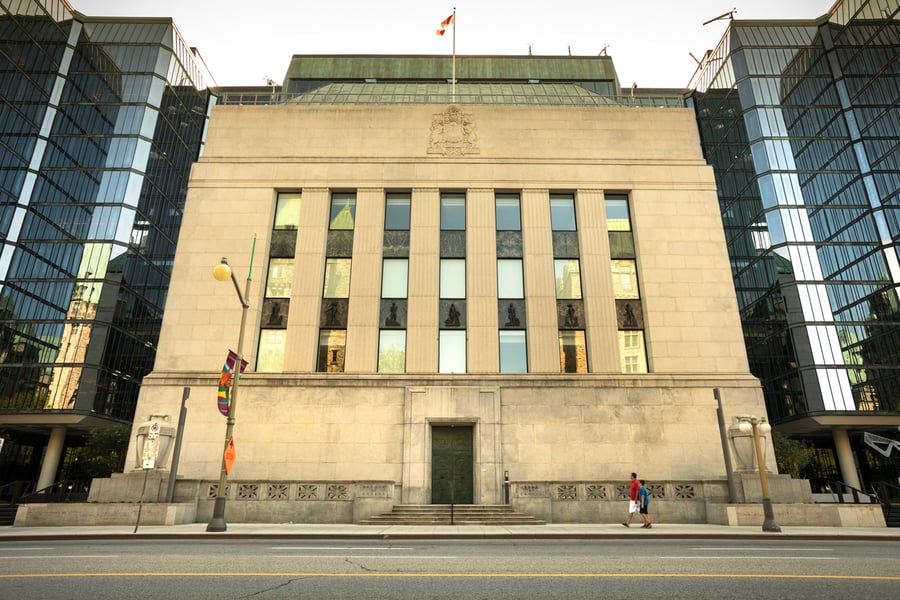
Bank of Canada makes biggest rate cut since beginning of pandemic

Central bank announces jumbo cut

Bank of Canada makes biggest rate cut since beginning of pandemic

By Fergal McAlinden

23 Oct. 2024

The Bank of Canada has slashed its benchmark rate by 50 basis points, announcing the oversized cut amid continuing signs of a sluggish economy and plunging inflation.

The central bank revealed on Wednesday morning that it had cut its trendsetting interest rate to 3.75%, its fourth rate reduction in a row and the biggest single cut since the beginning of the COVID-19 pandemic more than four years ago.

Expectations of a larger-than-usual cut surged after overall inflation dipped below the Bank’s 2% target in September and stronger-than-expected jobs figures for the month failed to quell fears of a further economic slowdown.

The Bank’s last 50-basis-point cut took place in March 2020, when it trimmed rates to a rock-bottom 0.25% as the economy ground to a halt in the face of a looming pandemic.

Inflation has posted a big drop since hitting a four-decade high of 8.1% in June 2022, coming in at 1.6% last month (although Dominion Lending Centres chief economist Sherry Cooper told Canadian Mortgage Professional that was skewed somewhat by a dramatic drop in gasoline prices).

The economy probably only saw marginal growth in the third quarter, according to Cooper – and with unemployment also expected to tick higher in the months ahead, she signalled that today’s 50-basis-point cut was “the right thing to do.”

After announcing a salvo of rate cuts in 2022 and 2023 to tamp down inflation, the central bank has pulled the trigger on three consecutive 25-basis-point drops in June, July, and September before today’s move.

That’s provided welcome relief for scores of homeowners who’d seen borrowing costs spike during the Bank’s series of hikes – and also improved the outlook for hopeful homebuyers.

The Bank is scheduled to make its final interest rate decision of the year on December 6, with market watchers expecting cuts to continue in the coming months – and it indicated its view that the policy rate needs to fall further if the economy continues to evolve as currently forecast.

Make sure to get all the latest news to your inbox on Canada’s mortgage and housing markets by signing up for our free daily newsletter here.

Read

Now's the time to jump into the housing market, says top broker

Narrow window of affordability set to close in mid-2025

Now's the time to jump into the housing market, says top broker

By Fergal McAlinden

15 Oct. 2024

The Bank of Canada is in the midst of an interest-rate cutting cycle, and plenty of would-be homebuyers are staying on the fence in anticipation of even lower rates down the line. But many of those waiting are missing a big opportunity, according to a top Ontario broker, to snag low-rate options already on offer.

Nick L’Ecuyer (pictured), principal broker and founder at the Barrie-based Mortgage Wellness, told Canadian Mortgage Professional that hype around central bank rate cuts had drawn attention away from diving bond yields in recent months that have seen fixed mortgage rates plunge.

That’s allowed first-time homebuyers on insured mortgages to take advantage of five-year fixed rates as low as 3.94% in October, a big slice off best prime rates that – with a generous discount – might hover around the 5.7% mark.

Furor around the Bank of Canada’s rate-cutting timeline and a flurry of recent mortgage qualification rule adjustments by the federal government are seeing many borrowers look ahead to what they might be able to afford in future, according to L’Ecuyer, rather than focusing on what’s available now. “All of these people that are sitting on the sidelines saying, ‘I’ve got to wait for rates to come down’ – I mean, they’re already here,” he said.

“People just don’t know it, because they’re so blinded by the Bank of Canada rate decisions and all the talk about when rates are going to come down, and how is the economy, and the government’s aid, and these impending mortgage renewals. That’s all the focus.”

New mortgage measures set to boost housing market demand

Another reason now is a good time to get into the market, L’Ecuyer believes: activity is likely to ramp up in 2025, sparked by lower prime rates and the government’s recent measures on mortgage amortizations and the insured mortgage cap.

The moves were billed by the government as an effort to make homeownership accessible to more Canadians, especially those buying for the first time, and help ease some of the affordability woes facing those who’ve been priced out of the market to date.

That means those who can currently afford to buy now would be best advised to push ahead with a move, he said. “There’s a whole ton of very smart people who are capturing all these great opportunities in the market that are brought to us by stagnant sales, lower prices, tons of inventory, and great fixed interest rates,” he explained.

“I wonder how long it’s going to be until people start to realize that there’s opportunity: ‘Hey, I don’t have to go into multiple offers. I can get a condition on financing, a condition for a home inspection, and a great interest rate.’”

When will Canada’s housing market begin to gather pace again?

Two recently announced mortgage rule changes by the federal government – expanded access to 30-year amortizations and a hike in the insured mortgage cap to $1.5 million – are set to come into effect on December 15.

The time between that date and the summer of 2025, L’Ecuyer said, represents the likely window buyers will have to lock in the most affordable mortgage possible before housing market activity, and home prices, start to ramp up.

The ability of first-time homebuyers to tap into 30-year amortizations could materially improve affordability for scores of new buyers, especially outside Canada’s priciest urban markets.

In Barrie, L’Ecuyer said, buying a $600,000 townhouse last year in Barrie on a 25-year amortization and high interest rates would see a monthly mortgage payment of almost $4,000 a month – significantly above the average rent on those properties of around $2,600.

Now, with a 3.94% five-year fixed rate and 30-year amortization, the monthly payment would plunge to $2,900. “If you say to me that I can own it for $2,900 or rent it for $2,600, I’m going to own it, pay it down, it’ll appreciate,’” he said. “That’s when things are going to start to warm up: when people realize that affordability is back.”


Read

How Exactly Do Current Interest Rates Stack Up?

Over the past 25 years, interest rates in Ontario have fluctuated significantly, influenced by economic cycles, inflation control measures, and global events. For an overview:

- Fixed Mortgage Rates: Historically, fixed mortgage rates have generally ranged from around 3.0% to 7.0% depending on the time period and term length. For example, in the early 2000s, 5-year fixed mortgage rates were above 7%, but by the 2010s, they had decreased significantly, reaching as low as 3.28% in 2021. As of 2024, fixed rates are currently averaging around 4.74% from major lenders.

- Variable Mortgage Rates: Variable rates have generally been lower than fixed rates during periods of economic stability but tend to fluctuate more with changes in the Bank of Canada’s policy rates. Over the last 25 years, these rates have ranged from approximately 2% to over 6%. Currently, variable rates are averaging around 6.02%, having risen significantly due to recent interest rate hikes by the Bank of Canada.

The long-term trend shows that fixed rates tend to offer stability, especially during periods of economic volatility, whereas variable rates can be more attractive in lower interest rate environments but are riskier during rate hikes.

If you're trying to predict future rates, the consensus suggests a potential decrease in 2024 as inflation cools and the Bank of Canada aims to stabilize the market. However, for now, fixed rates remain more attractive than variable rates.


Read

5 Tips to Manage Financial Stress

5 Tips to Manage Financial Stress


Despite the Bank of Canada taking steps to reduce interest rates, many Canadians still feel pressure due to the overall cost of living and inflation. This uncertainty can be unnerving for many individuals, but don’t fret! 

I have some tips and suggestions to help you manage your financial stress and help you to power through these latest economic changes:

  1. Prioritize What You Can Control: It can be easy to feel like you have no control over your financial situation, especially with the economy in flux. However, dwelling on things you cannot fix will only cause more stress. Instead, we recommend focusing on what you CAN control within your situation. For instance, take a looking at your phone bill and services to see if you can reduce the cost (even temporarily), reviewing your grocery bill and looking for places to switch to cheaper brands or alternatives, perhaps buying in bulk. You’ll not only save money, but you will feel like you have more control and help reduce stress.
     

  2. Pay Essential Bills: If you are struggling to pay your monthly bills, prioritizing them can help you gain some control. Knowing which bills are most important to pay first can help reduce anxiety as you're not scrambling to decide what to do. In some cases, prioritizing your bills can also help you uncover unnecessary spending and you may find something that can be eliminated entirely (even temporarily).
     

  3. Automate Payments and Savings: If you’re struggling to keep up with your bills and payments, or are finding that you keep saying you’ll save money, but aren’t, considering automation for your finances can be a step in the right direction. Ensuring that your bills are paid on time will help reduce stress and protect you from wasting money on penalties for missed payments. Alternatively, you can also set up automatic money transfers on the days you are paid to move funds into a separate, savings account before you even see it. Thereby, reducing the likelihood that you’ll skip adding to your savings that month or use that money elsewhere.
     

  4. Find Ways to Earn More Money: When cashflow is a problem and you are feeling the strain of trying to afford your current lifestyle, looking for ways to earn additional money can be a lifesaver! Consider part-time work for the weekends, consulting in your area of expertise or picking up extra hours at your current place of work. Now is also a great time to discuss with your manager if you are due for a raise.
     

  5. Talk to Your Mortgage Professional: For most people, their mortgage is their largest monthly bill. If you are feeling the financial crunch, now is a great time to talk to meabout potentially changing your payment schedule or even looking for a different mortgage product with better rates (ideally if you are at the end of your term). Do not hesitate to be honest about your situation and ask what your options are.
     

Regardless of where you find yourself financially, there are often many solutions to help reduce and resolve your stress and ensure that you have healthy monthly cashflow

Read