Waterloo Region Real Estate & Living

Guiding You Home, Every Step of the Way

Welcome to the Magnolia Group Realty blog, where Waterloo Region real estate meets real life at home.

Whether you're thinking about buying, preparing to sell, trying to understand what the latest market numbers actually mean, or simply looking for ways to take better care of the home you already love, you'll find practical advice here without all the unnecessary real estate jargon.

Explore local Waterloo Region market updates, home buying and selling guidance, neighbourhood and community stories, and straightforward homeowner advice designed to help you make smarter decisions about your home.

You'll also find Homeowner Tips for tackling those little jobs that come with owning a home, Grime & Shine for cleaning tricks, recipes and solutions worth keeping, and Magnolia Living, our guide to events, local favourites and things worth discovering throughout Waterloo Region and beyond.

Because home isn't only about what it's worth or when you bought it. It's where you live your life, make your messes, fix the things that mysteriously stopped working, invite people over and occasionally Google “is my furnace supposed to make that noise?”

Come for the real estate. Stay for everything that makes a house feel like home.

RSS

🏡 Homeowner Hacks with Charlotte - Hard At Work A/Cs

Is Your Air Conditioner Working Harder Than It Has To?

July in Ontario can be downright sticky. If your air conditioner seems to be running non-stop, your hydro bill is climbing, or some rooms never quite cool down, your AC may be working much harder than necessary.

The good news? A few simple maintenance tasks can improve efficiency, lower energy costs, and help extend the life of your system.

1. Change or Check Your Furnace Filter

Even in summer, your furnace filter plays a huge role in your home's cooling system. A dirty filter restricts airflow, forcing your AC to work overtime.

Rule of thumb: Check it monthly and replace it as needed.

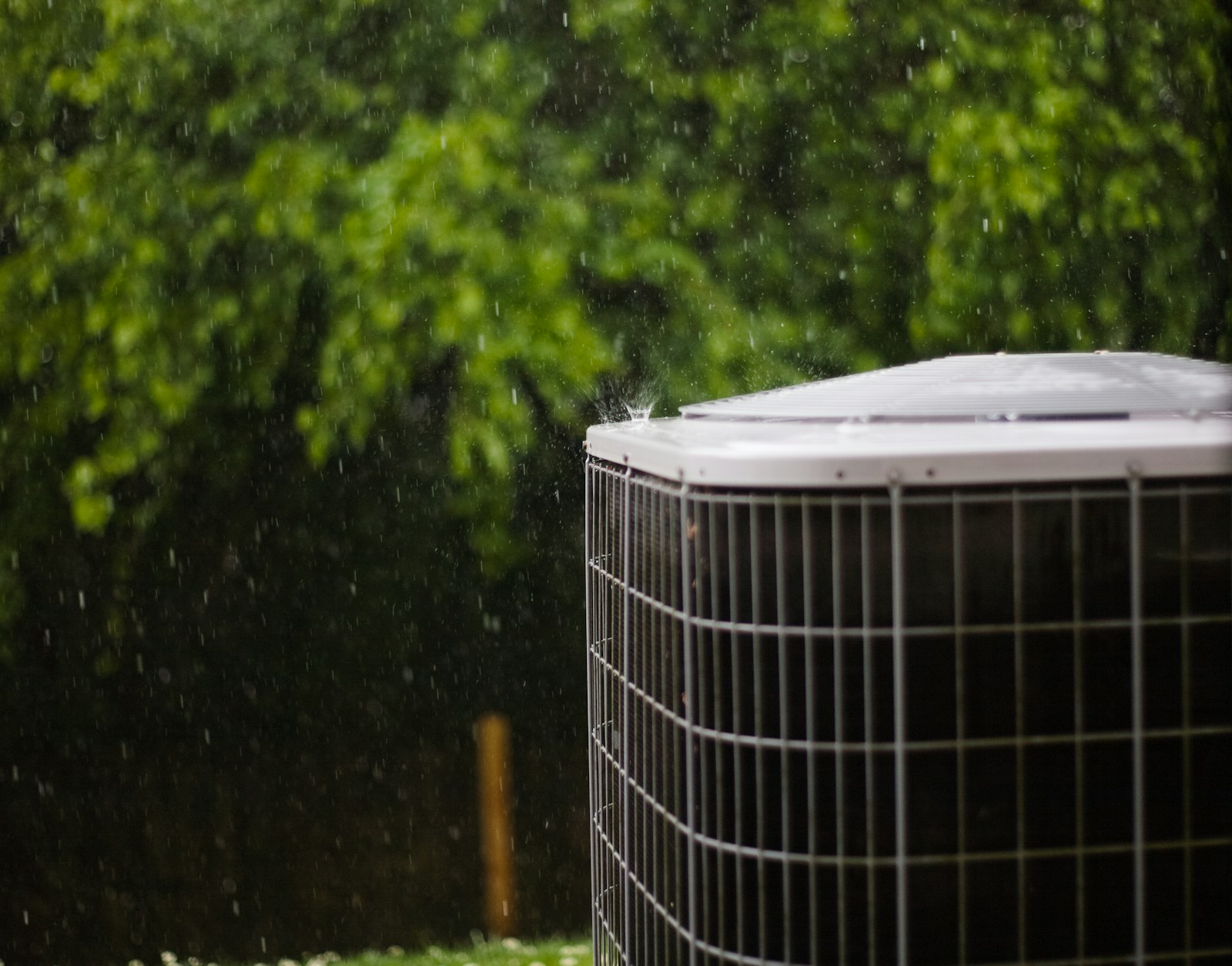
2. Clear Around Your Outdoor Unit

Your condenser needs room to breathe.

Remove:

  • Weeds

  • Tall grass

  • Overgrown shrubs

  • Leaves and debris

Try to maintain at least 2 feet of clearance around the unit.

3. Clean Supply Vents

Walk through your home and make sure furniture, curtains, and rugs aren't blocking vents.

Blocked airflow means your system has to run longer to achieve the same result.

4. Keep Blinds Closed During Peak Heat

Direct sunlight can dramatically increase indoor temperatures.

Closing blinds during the hottest part of the day helps your AC maintain comfortable temperatures with less effort.

5. Check Your Thermostat Settings

Setting the thermostat extremely low won't cool your home faster.

Instead, choose a comfortable temperature and let the system work steadily.

When to Call a Professional

If you notice:

  • Ice on refrigerant lines

  • Warm air from vents

  • Strange noises

  • Excess humidity indoors

  • Significantly higher hydro bills

It may be time for a professional inspection.

Charlotte's Tip 💡

Think of your air conditioner like a marathon runner. The cleaner and more efficient its environment, the less energy it needs to reach the finish line.

A little maintenance now can help avoid expensive repairs later.

Read

🏡 Homeowner Hacks with Charlotte - Bzzz Mosquitoes

Mosquito Control That Actually Works: Enjoy Your Backyard Again

There’s nothing quite like a summer evening in Ontario… until the mosquitoes arrive and decide you're the main course.

The good news? You don't need to fog your entire yard or invest in expensive gadgets to reduce mosquitoes around your home. A few simple changes can make a big difference.

Why Are Mosquitoes So Bad?

Mosquitoes need standing water to reproduce. In fact, some species can breed in as little as a bottle cap full of water.

That means the problem may not be coming from a pond or creek—it could be coming from your own backyard.

Step 1: Eliminate Standing Water

Take a walk around your property and look for places water collects:

  • Plant saucers

  • Children's toys

  • Wheelbarrows

  • Bird baths

  • Clogged gutters

  • Old buckets

  • Tarps and pool covers

Empty and refresh water sources regularly.

Step 2: Keep Your Grass Trimmed

Mosquitoes love cool, shaded areas during the heat of the day.

Maintaining your lawn and trimming overgrown shrubs removes many of their favourite hiding spots.

Step 3: Use Fans on Patios and Decks

Here's a surprisingly effective trick.

Mosquitoes are weak flyers. A simple oscillating fan on your patio can dramatically reduce mosquito activity around seating areas.

Bonus: it keeps you cooler too.

Step 4: Consider Mosquito-Repelling Plants

While they won't eliminate mosquitoes entirely, these plants can help when placed around outdoor living spaces:

  • Lavender

  • Citronella grass

  • Basil

  • Mint

  • Marigolds

They also happen to look great in containers and garden beds.

Step 5: Check Your Gutters

Gutters often become unnoticed mosquito breeding grounds.

Summer storms can leave behind debris that traps water for days or even weeks.

A quick inspection now can prevent problems later.

Common Mosquito Myths

❌ Bug zappers solve the problem.

Most bug zappers kill beneficial insects and have limited impact on mosquito populations.

❌ One treatment lasts all season.

Mosquito control requires ongoing maintenance, especially after periods of rain.

Charlotte's Tip 💡

The most effective mosquito control starts with prevention. Spending 20 minutes eliminating standing water around your property can often do more than many store-bought solutions.

Your backyard should be a place for BBQs, family gatherings, and relaxing summer evenings—not a mosquito buffet.

Read

🏡 Homeowner Hacks with Charlotte - Sump Pumps

Your Sump Pump Deserves a Summer Checkup — Before the Next Big Storm

August gives us plenty of beautiful Ontario summer days, but it can also bring heavy downpours and thunderstorms. And when the rain really starts coming down, that's a terrible time to discover that your sump pump hasn't been paying attention.

Your sump pump is one of those hardworking pieces of your home that can sit quietly for weeks or months… until suddenly you really, really need it.

A quick check now can help protect your basement from water damage and give you some peace of mind before the next storm rolls through.

First: What Does a Sump Pump Actually Do?

If your home has a sump pit, groundwater and drainage around the foundation are directed toward it. Once the water reaches a certain level, the pump turns on and sends that water safely away from your home.

Simple system. Very important job.

And because it often operates automatically, it's easy to forget about it.

Give It the Bucket Test

This is one of the simplest homeowner maintenance checks you can do.

Slowly pour a bucket of water into your sump pit until the water level raises the float.

Your pump should:

  • Turn on automatically

  • Remove the water promptly

  • Shut itself off once the water drops

If nothing happens—or the pump struggles—don't wait for a storm to investigate further.

Take a Peek Inside the Pit

Grab a flashlight and look for anything that could interfere with the pump or float.

You may find dirt, stones or other debris that has made its way into the pit.

The float needs to move freely so it can activate the pump when water rises.

Check Where the Water Goes

Head outside and locate your sump pump discharge.

You want the water being discharged away from your foundation, not immediately beside the house where it can potentially make its way right back toward your basement.

Also check that the outlet hasn't become blocked by grass, landscaping, debris or our favourite summer garden overachiever that has apparently decided it owns the entire side yard.

Do You Have Backup Power?

Here's the frustrating part about summer storms: heavy rain and power outages sometimes arrive together.

Unfortunately, a standard sump pump can't do much without electricity.

If your basement relies heavily on a sump pump for water management, it may be worth speaking with a qualified professional about an appropriate battery-backup or other backup system.

Look Around the Basement Too

Your sump pump isn't the only clue that water may be finding its way toward your home.

Watch for:

  • Dampness around foundation walls

  • Musty smells

  • Water staining

  • Efflorescence—that white, chalky material sometimes seen on concrete

  • Water collecting near basement windows

Catching moisture problems early is almost always easier than dealing with the aftermath later.

Don't Forget Your Exterior Drainage

Your sump pump should be part of your home's water-management strategy—not the entire strategy.

Make sure your gutters are clear, downspouts are directing water away from the foundation, and soil around the house hasn't settled in a way that directs rainwater toward it.

The less water you send toward your foundation in the first place, the less work your sump pump has to do.

Charlotte's Tip 💡

Your sump pump is basically the friend who never says anything but somehow ends up doing all the work when things go sideways.

Give it five minutes of attention while everything is dry and calm.

Pour in a bucket of water. Make sure it starts. Check the discharge. Then you can forget about it again—preferably until your next regular maintenance check, rather than discovering a problem because you're standing ankle-deep in your basement at 2 a.m.

Five minutes now. Potentially thousands of dollars of water damage avoided later. That's a pretty good homeowner hack.

Read