
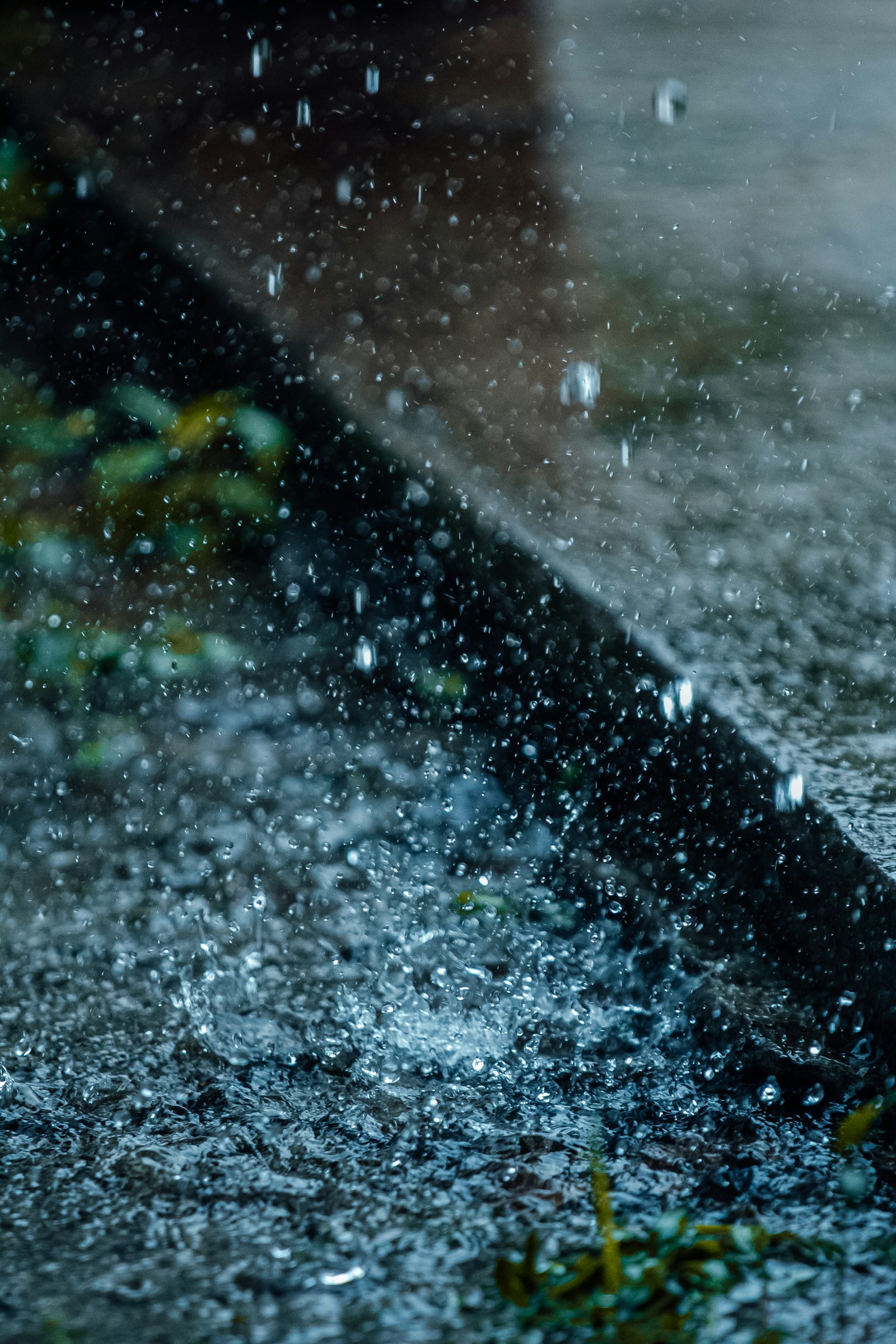
Before the Fall Rain Arrives, Walk Around Your House
We spend a lot of time worrying about water inside our homes.
Leaky faucets. Sump pumps. Basement moisture. That mysterious puddle beside the washing machine that immediately makes you reconsider every financial decision you've made since 2003.
But one of the best ways to prevent water problems inside your house is actually to start outside.
As summer winds down, take ten minutes and walk around the perimeter of your home.
You're looking for one simple thing:
Where will the water go when it rains?
Because if the answer is "toward my foundation," we have some work to do.
Your Yard Should Send Water Away From the House
The soil immediately surrounding your home should generally slope away from the foundation rather than toward it.
Over time, soil settles.
Gardens get changed.
Mulch gets added.
Landscaping gets rearranged.
Suddenly, an area that used to drain beautifully may be directing rainwater right toward your basement wall.
Ontario maintenance standards similarly emphasize grading and drainage that prevent ponding, erosion and water entering a building.
Look for the Low Spots
Walk slowly around the house and pay particular attention to areas where:
Soil has settled beside the foundation
Water collects after rain
Mulch is piled unusually high
Walkways have shifted
Downspouts empty
Basement windows or window wells are located
If you already know there's a spot where a miniature Lake Ontario appears every time it rains, put that area at the top of your list.
Check Your Downspouts
Your eavestroughs collect an enormous amount of water from your roof.
The downspouts then have one very important assignment:
Get that water away from the house.
Make sure extensions haven't been knocked off by lawn equipment, moved during landscaping or buried beneath an enthusiastic hosta.
CMHC recommends cleaning eavestroughs and testing downspouts for proper drainage as part of fall maintenance.
Watch Your House During the Next Rainstorm
This might be my favourite homeowner inspection trick because Mother Nature does most of the work.
When we get a decent rainfall, grab an umbrella and take a walk outside.
Look for:
Overflowing gutters
Water pouring beside the foundation
Downspouts backing up
Large puddles
Water travelling toward the house instead of away from it
Yes, your neighbours may wonder why you're wandering around your property in the rain staring at gutters.
That's okay.
You'll be the neighbour with the dry basement.
Don't Forget Window Wells
If you have basement window wells, check them too.
Remove leaves and debris and make sure water isn't collecting inside.
If you notice recurring water accumulation, damaged drainage, cracking or anything else concerning around the foundation, that's when it's worth getting professional advice rather than simply throwing another bag of soil at the problem and hoping for the best.
Why Do This Now?
Late August is perfect because you still have plenty of workable weather to correct small landscaping or drainage issues before fall brings heavier leaf debris, cooler temperatures and eventually winter.
Water management is one of those gloriously boring homeowner jobs that nobody posts before-and-after photos of.
But preventing water from reaching your foundation in the first place is much more appealing than dealing with a wet basement later.
💡 Charlotte's Tip
The next time it rains, don't just look out the window.
Look down.
Where is all that water actually going?
Your roof, gutters, downspouts, grading and landscaping should all be working together to move water away from your home.
Ten minutes with an umbrella can teach you an astonishing amount about your house.
And if you happen to jump in a puddle while you're out there, that's simply a highly technical drainage assessment. ☔😂
This week's Homeowner Hack: Walk the perimeter, find the low spots, check the downspouts and watch what happens during the next good rainfall.
Your basement may never know you did it.
That's exactly the point.
For a handy seasonal reference, CMHC’s Fall/Winter Home Maintenance Tips covers drainage, eavestroughs, outdoor plumbing, weatherstripping and other jobs worth tackling as summer winds down.
Comments:
Post Your Comment: